
Heat Pump Repair
Defrost, reversing valve and backup heat problems diagnosed and fixed.
Heating Services
Ocala winters are short, but a cold front can still catch a neglected system off guard. We repair, replace and maintain the heat pumps, electric furnaces and gas furnaces that keep Marion County homes warm on those mornings.
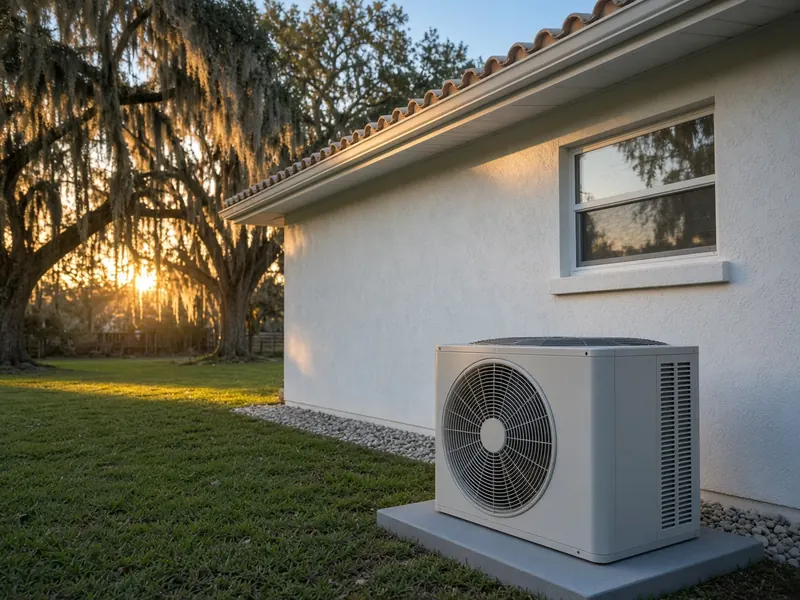
Ventis repairs, installs and maintains residential heating equipment for homeowners in Ocala and throughout Marion County. Most homes here heat with the same system that cools them, so winter service is really about the other half of equipment you already rely on all summer.
Heating in North Central Florida has its own pattern. The system may sit idle for weeks, then run hard for a few nights when a front drops through. Problems that went unnoticed in November, like a tripped heat strip breaker, a sticking reversing valve or a dirty flame sensor, tend to show up all at once on the first cold evening. This page explains the heating systems found in local homes, what affects their cost to run and how to choose the right service when something is not working.
Not very cold, most of the time. Florida Climate Center data for the Ocala station (1991 to 2020 normals) put the average January low at 45.6°F and the average January high at 70.6°F. The same records show about 791 heating degree days a year against roughly 3,104 cooling degree days, so local homes need about four times as much cooling as heating over a typical year.
Averages hide the nights that matter, though. Individual cold fronts can bring lows near or below freezing, and those are the hours when a heat pump defrosts more often and backup heat runs the most. A system that is sized and adjusted for Ocala’s real weather handles both the mild days and the occasional hard night without wasting electricity.
Choose a service to learn what usually causes the problem, how we approach it and what homeowners ask most.
No heat, lukewarm air, a burning smell or a breaker that trips whenever the heat comes on. Our heating repair page covers strip heat, electric and gas furnaces, and the controls that tie them together.
Heat pumps have failure points of their own, including the reversing valve, defrost controls and outdoor coil. Learn how we diagnose them on our heat pump repair service page.
Choosing between a heat pump, an electric furnace or a gas furnace depends on the home, the fuel available and how you use it. Our guide to replacing a home heating system walks through the trade-offs.
Heat pumps provide both heating and cooling, which makes them a natural fit for Central Florida’s short winters. See how sizing, HSPF2 ratings and backup heat are handled on our heat pump installation page.
A fall visit puts the strips, defrost controls and safety switches to work while the weather is still mild. Our fall heating tune-up page lists what a visit includes.
Most Marion County homes heat with a heat pump backed by electric strips, an electric furnace or strip-only system paired with an air conditioner, or a gas furnace, with dual fuel, packaged and ductless systems filling in the rest. The label on the indoor and outdoor units usually tells you which one you have. Here is how to recognize each.
An outdoor unit that heats and cools, paired with an indoor air handler holding electric resistance strips for backup. A widespread arrangement in local homes.
An air conditioner for cooling with electric elements in the indoor unit for all winter heat. Simple and reliable, but more expensive to run per hour of heat.
A natural gas or propane furnace indoors with an AC coil on top. Found in homes with natural gas or propane service.
Gas backup instead of strips. A control switches from the heat pump to the furnace when outdoor temperatures fall far enough.
All components in one outdoor cabinet, heating with a heat pump, strips or gas. Often used on manufactured homes and homes without indoor equipment space.
Wall or ceiling heads that heat individual rooms. Our ductless mini-split page covers these systems in depth.
Auxiliary heat is the backup that a heat pump system adds on its own, usually electric heat strips in the air handler, when the heat pump alone cannot keep up or while the outdoor coil is defrosting. Emergency heat is a thermostat setting you choose manually that shuts off the heat pump and runs only the backup source until you switch it back.
The Florida Building Code, Energy Conservation (2023, Section R403.1.3) requires heat pumps with electric resistance backup to have controls that limit the strips to defrost, to times when the heat pump cannot meet the thermostat setting, or to a malfunction. In practice, that means “Aux” showing briefly on a cold morning is normal, while backup heat that runs for hours on a 55°F day points to a problem worth having checked.
Switch to emergency heat only if the outdoor unit has stopped, is iced over or is making unusual noise. It keeps the house warm with the strips while you call (352) 230‑9545, but it costs considerably more to run, so it is a stopgap rather than a setting to leave on.
Heat pump heating efficiency is rated in HSPF2, the heating seasonal performance factor under the federal test method that took effect in 2023. Department of Energy standards set a nationwide minimum of 7.5 HSPF2 for split-system heat pumps manufactured since January 1, 2023, alongside 14.3 SEER2 for their cooling side. ENERGY STAR notes that because a heat pump moves heat rather than creating it from fuel, it can deliver up to three times more heat energy than the electricity it uses.
Gas furnaces are rated by AFUE, the share of fuel energy that becomes usable heat. Electric resistance heat converts nearly all of its electricity into heat at the element, but it cannot move extra heat in from outdoors the way a heat pump does, which is why strips are best kept as backup. The Florida energy code’s prescriptive path does not allow electric resistance to be the primary heating system in Climate Zone 2, the zone that includes Marion County.
A federal rule published in December 2023 requires non-weatherized and mobile home gas furnaces made from December 18, 2028 onward to reach at least 95% AFUE. Gas industry groups asked DOE in 2026 to delay it, so check its status when planning a furnace.
Electric heat strips draw a large current, which is why they sit on their own breakers. Worn relays, loose lugs and overheated wiring can trip those breakers or leave scorch marks inside the air handler. A breaker that trips repeatedly when the heat comes on should be diagnosed, not just reset.
Gas furnaces add combustion safety. The EPA lists leaking chimneys and furnaces, back-drafting and blocked or disconnected flues among the sources of carbon monoxide, an odorless and colorless gas, and advises an annual professional inspection of furnaces, flues and chimneys. Florida law (Section 553.885, Florida Statutes) requires a carbon monoxide alarm within 10 feet of each sleeping room in buildings and additions constructed since July 1, 2008 that have a fossil-fuel-burning appliance, a fireplace or an attached garage.
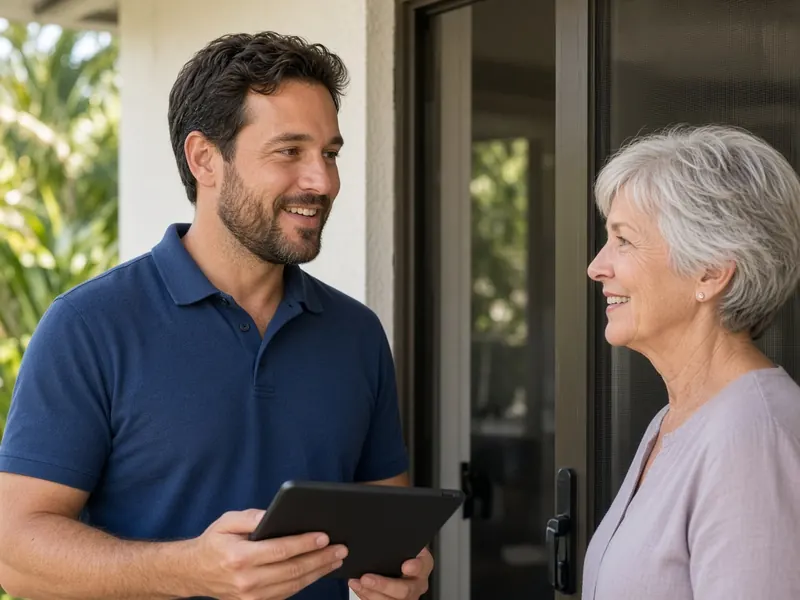
Because heat runs so rarely here, a quick check before the first front saves a cold night.
Switch to heat on a cool afternoon in November and let it run for 15 minutes. A brief burning-dust smell is common on the first cycle; it should clear quickly.
A clogged filter cuts airflow across the heat strips or heat exchanger, which can trip high-limit switches.
Leaves and pine straw block airflow and hold water that can freeze during defrost.
Confirm the heat strip breakers are on, the thermostat is set to the right equipment type and batteries are fresh.
Smoke and carbon monoxide alarms take seconds to test; do it before gas heat runs for the season.
A few questions separate a thorough contractor from a quick swap:
Cooling and heating share equipment, so the same visit often touches both. Our cooling services overview explains the summer side of the same systems.
Related Services
Defrost, reversing valve and backup heat problems diagnosed and fixed.
Electric furnaces, heat strips and gas furnaces brought back online safely.
Safety and backup heat checks before the first cold front.
Year-round systems sized from a load calculation for Ocala homes.
Service Areas
From Ocala and Belleview to Dunnellon and Summerfield, we service heating systems in neighborhoods such as:
FAQ
Ventis provides residential heating repair, heat pump repair, heating system replacement, heat pump installation and seasonal heating maintenance for homes in Ocala and Marion County. Tell us what kind of equipment you have and what it is doing when you call, and we will direct the visit to the right service.
Heat runs only a few weeks a year here, which is exactly why problems hide until a cold front arrives. A fall visit makes sure the strips, defrost board and safety limits respond as designed. Gas furnaces also benefit from an annual combustion and venting check, which the EPA recommends for central heating systems.
Dust settles on heat strips and furnace burners over the long cooling season and burns off during the first heating cycles. That odor should fade within minutes. A smell that lingers, gets stronger, or comes with a tripped breaker or visible smoke means the system should be turned off and inspected.
Yes. On cold, damp mornings frost forms on the outdoor coil, and the heat pump periodically reverses into a defrost cycle to melt it. The fan may pause and a cloud of vapor can rise from the unit for a few minutes. A unit that stays coated in ice is a different matter and needs service.
It depends on your electric and gas rates, the efficiency of each system and how cold the winter is. In most mild Central Florida weather a heat pump heats efficiently, while a gas furnace can make sense where gas service already exists. A load calculation and current utility rates give a real comparison for your home.
Cold nights increase heating hours, and backup heat strips draw far more power than the heat pump itself. If the strips run more than expected, causes include a thermostat set up incorrectly, a low refrigerant charge, a failing defrost control or big temperature setbacks that force the strips on during recovery each morning.
No. A heat pump needs open airflow across its outdoor coil to heat the house and room for defrost water to drain. Covering it can block operation and trap moisture. Instead, keep leaves, shrubs and stored items at least a couple of feet back and make sure the unit sits level on its pad.
Life spans vary widely with equipment quality, installation and maintenance. Heat pumps work in both seasons here, so they accumulate hours year-round, while furnaces and heat strips see light use. Rather than relying on age alone, we look at repair history, refrigerant type, efficiency and the condition of coils and cabinets.
The heat pump itself does not burn fuel, but other sources such as a gas water heater, gas range, fireplace or attached garage can produce carbon monoxide. Florida requires CO alarms in newer buildings with those features, and an alarm near sleeping areas is a sensible precaution in any home with one.
Tell us what heats your home and how it has been running, and we’ll check it, explain what we find and help you plan the next step.
(352) 230‑9545