
AC Repair
Diagnostics for the outdoor unit, refrigerant circuit and controls.
Cooling Services
The indoor unit moves every bit of air in your home and catches the water your system pulls out of it. When it struggles, comfort and ceilings both suffer.
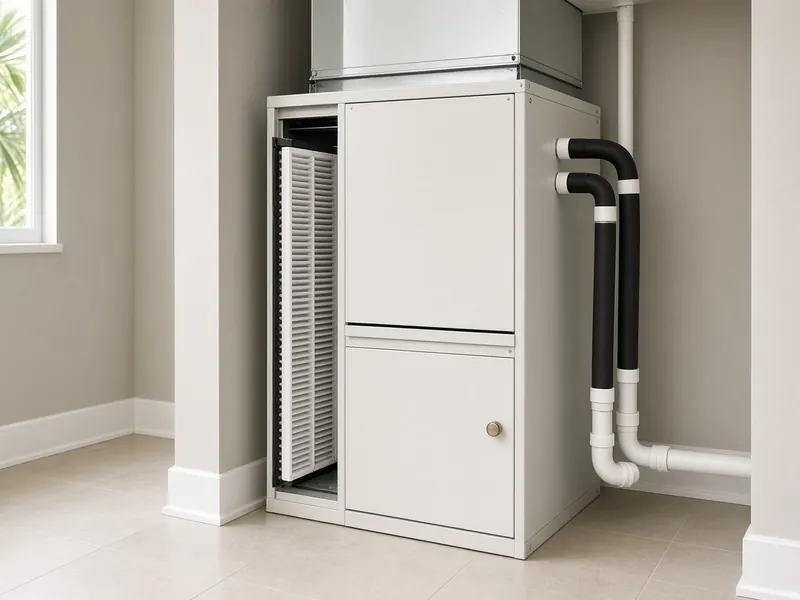
Ventis repairs, replaces and installs residential air handlers for homes in Ocala and across Marion County. The air handler is the indoor half of most split systems, and a surprising number of cooling complaints start there rather than at the outdoor unit.
Because it sits inside the home, often in a closet, garage or attic, the air handler is where airflow and moisture problems show up first. A blower that slows down, a coil that clogs with dust or a pan that overflows can all make a healthy outdoor unit look like it has failed. Our technicians evaluate the indoor equipment on its own terms: airflow, coil condition, drainage, electrical controls and compatibility with the outdoor system.
An air handler is the indoor cabinet that contains the blower, the evaporator coil, a filter rack and the condensate pan, and often electric heat strips. The blower pulls room air in through the return, pushes it across the cold coil and sends it into the supply ducts. Moisture that condenses on the coil drips into the pan and drains outside.
In a heat pump system, the same air handler also delivers winter heat. The coil becomes the warm side of the refrigeration cycle, and heat strips add backup heat on the coldest mornings or during defrost.
Switch the thermostat to Off to stop more condensate from forming, and wipe up standing water. Then call (352) 230‑9545 so the drain and float switch can be checked before water reaches flooring or ceilings.
Most older air handlers use a PSC (permanent split capacitor) blower motor, which runs at fixed speeds and depends on a small run capacitor. When that capacitor weakens, the motor slows down, runs hot and eventually stops. Newer units typically use an ECM (electronically commutated motor), which adjusts its output to maintain a programmed airflow and does not rely on a run capacitor.
Airflow can also drop because of a dirty blower wheel, a loose wheel on the shaft, a restrictive filter or a collapsed return duct. Low airflow is one of the main causes of frozen coils. A technician measures static pressure and checks motor amperage against its nameplate to tell a motor problem from a duct or filter problem.
The evaporator coil sits directly in the airstream, so whatever passes the filter ends up on its fins. A thin layer of dust on a wet coil turns into a mat that blocks air and holds moisture. That reduces cooling, encourages microbial growth and can lead to icing.
Coils can also leak. Small refrigerant leaks in the coil are a common reason for a gradual loss of cooling. Depending on the coil’s age, warranty status and refrigerant type, the options may include repairing the leak, replacing the coil or replacing the air handler. The right choice depends on how the rest of the system is holding up, which a full AC repair diagnosis helps establish.
Every air handler that cools also produces water. In a humid climate, the drain system is under steady demand for much of the year, and failures cause real damage.
The primary pan sits under the coil. Many air handlers pull air through the coil with the blower downstream, which creates negative pressure in the cabinet. Without a properly built trap, that suction can hold water in the pan until it overflows. Algae in the line and pans that have cracked or rusted through are the other common culprits.
Attic units and units above finished space usually have a secondary drain pan, a float switch or both. The float switch shuts the system off when water rises. If yours keeps tripping, the primary drain is telling you something, and simply resetting it will not fix the cause.
The air handler houses the low-voltage transformer and control board that coordinate the thermostat, blower, outdoor unit and heat strips. A shorted thermostat wire can blow the small fuse on the board, leaving the whole system dead. Heat strip relays, sequencers and high-limit switches can also fail, especially after years of winter use.
These components carry line voltage, and some air handlers have multiple circuits feeding them. Diagnosis should be done by a technician with the power safely isolated.
A faint burning smell the first time heat strips run each winter is usually dust burning off the elements and fades quickly. A smell that persists or a breaker that trips whenever heat is called for is a different story, and the system should be checked before it is used again.
A variable-speed air handler uses an ECM blower that can ramp up and down instead of switching between a few fixed speeds. Paired with a compatible two-stage or variable-capacity outdoor unit, it can run longer at lower airflow, which helps remove moisture and keeps temperatures steadier between rooms.
Many variable-speed models also offer a dehumidification setting that slows the blower when humidity is high. Those benefits depend on correct setup: airflow has to be configured for the system capacity and the duct system’s static pressure, and the thermostat has to be able to use the features.
An air handler and outdoor unit work as a matched pair. The coil size, refrigerant type and metering device need to suit the outdoor unit, and the combination should appear in the manufacturer’s certified ratings to deliver its listed SEER2 and HSPF2 values.
Heat pump systems also need the air handler’s controls to coordinate defrost cycles and backup heat. Heat strip size affects both comfort on cold mornings and the electrical circuit the air handler needs. When only one half of an older system fails, compatibility often determines whether a single-component replacement is possible.
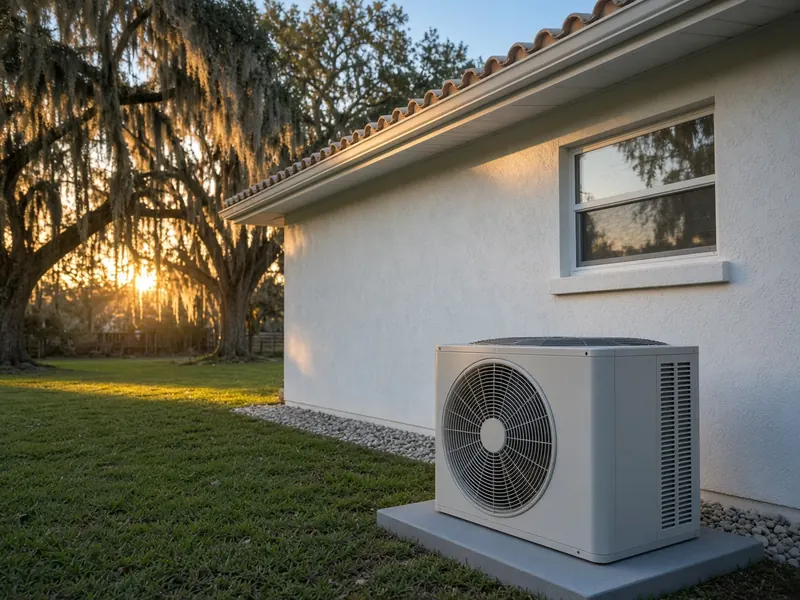
Fixing the existing unit tends to win when the problem is a motor, capacitor, board, relay or drain issue on a cabinet in good condition. Replacement deserves serious thought when the coil leaks on an older unit, the cabinet or pan is badly corroded, or the outdoor unit is also near the end of its service life.
When the outdoor unit is also old, replacing both together is often the better value. Our complete AC system replacement guide explains how that decision is made.
Installing an air handler well is mostly about the details around it:
Verify the air handler, coil and metering device are approved for the outdoor unit and refrigerant.
Mount the unit with service clearance, seal the cabinet and plenum connections and install a proper filter rack.
Install the trap, slope the line, and add the secondary pan or float switch where required.
Set blower airflow for the system, then check static pressure, temperature split and heat strip operation.
If your indoor unit is leaking, noisy or moving less air than it used to, an inspection will show whether a repair, a cleaning or a replacement makes the most sense. Regular AC maintenance visits keep the blower, coil and drain in condition between service calls.
Related Services
Diagnostics for the outdoor unit, refrigerant circuit and controls.
Duct design, airflow balance and whole-home humidity control.
Matched indoor and outdoor equipment sized for your home.
Blower, coil and drain care as part of seasonal maintenance.
Service Areas
Closet, garage, attic and under-floor setups all show up in Marion County. We service air handlers in manufactured home communities including:
FAQ
Both are indoor units with a blower that moves air through the ducts. A furnace creates heat by burning gas or oil, or with large electric elements, and has a cooling coil added on top. An air handler is built around the blower and coil and usually pairs with a heat pump, using electric heat strips for backup heat.
The most common causes are a clogged condensate line, a missing or poorly built trap, a cracked or rusted drain pan and a frozen coil that is thawing. Turn the system off to stop new condensate, clean up the water and have a technician clear the line, test the float switch and find what caused the backup.
Sometimes. The new air handler must be compatible with the outdoor unit’s capacity, refrigerant and metering requirements, and the combination should be a certified match. If the outdoor unit is older or uses a refrigerant no longer used in new equipment, replacing both together is often the more reliable choice.
A musty odor usually comes from moisture and organic growth on the coil, in the drain pan or inside the cabinet insulation. Standing water from a slow drain makes it worse. Cleaning the coil and pan, correcting drainage and checking for duct leaks that pull in humid air typically address the source rather than masking the smell.
An ECM, or electronically commutated motor, adjusts its speed electronically to deliver a programmed airflow. Compared with older PSC motors, it generally uses less electricity, runs quieter at low speeds and can compensate for some duct resistance. Variable-speed ECM air handlers can also slow the blower to improve dehumidification when paired with compatible controls.
Attic installations are common and work well when done properly. They do need a secondary drain pan or float switch to protect the ceiling, good cabinet sealing and insulation, and safe service access. Because attics get very hot, leaks in the cabinet or nearby ducts can pull hot, humid air into the system.
The filter should be checked monthly. The drain, pan and accessible coil surfaces should be inspected at each annual tune-up, and the blower wheel cleaned when buildup appears. Pets, heavy dust and past drain backups are all reasons to shorten that interval to keep airflow and drainage reliable.
Many manufactured homes use a downflow air handler or furnace in a hall closet that sends air into a duct trunk under the floor, while others use an outdoor packaged unit. Replacement equipment must suit that configuration and the home’s requirements, so the existing setup is evaluated before recommending a unit.
Leaks, weak airflow or a noisy indoor unit? Book a visit and we’ll check the blower, coil, drain and controls and explain what we find.
(352) 230‑9545