
AC Repair
When a tune-up finds a failed part or the system stops cooling.
Cooling Services
Scheduled care for a system that still works: cleaning, testing and adjustment that catch weak parts and slow drains before they become summer breakdowns.
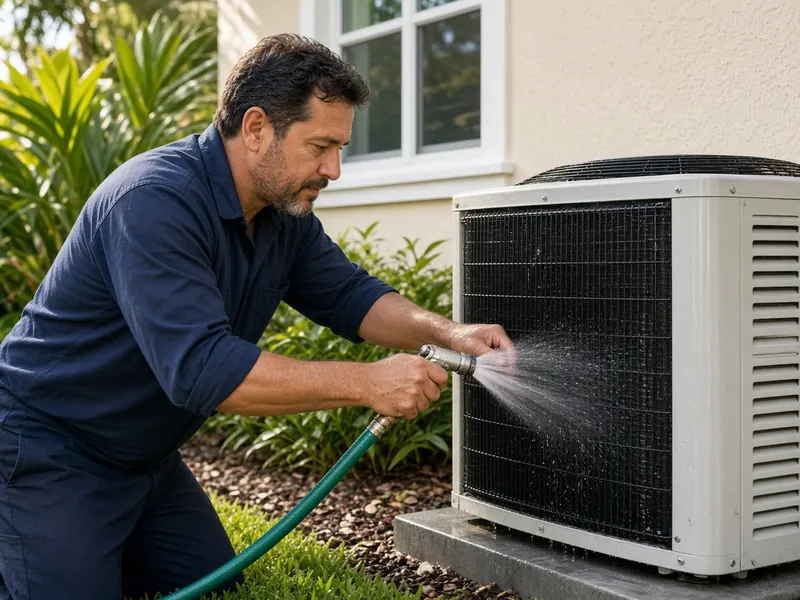
AC maintenance is planned work on a system that is running. Ventis performs air conditioning tune-ups throughout Ocala and Marion County, with a focus on the parts and conditions that cause most cooling failures in this climate.
Maintenance and repair are different visits. A repair call starts with a symptom and works backward to the cause. A tune-up starts with a checklist: the technician cleans what has collected dirt, measures what can drift and inspects what wears out. The aim is to find a swelling capacitor or a slow drain while the system still cools.
Regular maintenance cannot promise that a system will never fail, and it does not add a set number of years to equipment life. What it does is improve the odds, keep efficiency closer to where it started and give you warning before a problem turns into an emergency.
Marion County air conditioners run through a long cooling season, and many homes use a heat pump that also heats in winter. More operating hours mean more dirt on coils, more water through the drain line and more heat stress on electrical parts.
ENERGY STAR notes that dirty coils make a system run longer and that airflow problems can reduce efficiency by up to 15 percent. The U.S. Department of Energy says replacing a dirty filter can lower an air conditioner’s energy use by 5 to 15 percent. Those are maintenance items, and they add up over a Florida summer.
Professional AC maintenance is a structured inspection, cleaning and performance test of the whole system. It covers the outdoor condenser, the indoor coil and blower, the condensate drain, the electrical parts and the thermostat, then confirms the system cools as designed. A Ventis visit typically includes:
You receive notes on what was found. If a part is close to failing, you hear about it with a recommendation, and nothing is replaced without your approval.
Not every system is a split. Packaged units hold the compressor, both coils and the blower in one outdoor cabinet, so the evaporator section, blower and drain are serviced outside rather than in a closet. Many manufactured homes use either a packaged unit or a downflow air handler feeding a duct trunk under the floor. On those homes, the tune-up also includes a look at the crossover duct and connections under the home, where a loose or torn joint can dump cooled air into the crawlspace.
A heat pump shares the same cooling components as an air conditioner but adds a reversing valve, a defrost control and usually backup heat strips. A fall visit tests those parts so the system switches into heating smoothly when the first cold front comes through.
Plan on professional maintenance at least once a year, ideally in spring before the heaviest cooling months. ENERGY STAR recommends annual pre-season checkups. Homes that use a heat pump for winter heating often benefit from a second visit in the fall, since the same equipment runs nearly year-round.
Some homes need more attention. Homes with pets, recent remodeling dust, nearby construction or a history of drain clogs may need extra drain treatment or more frequent filter changes. Filters themselves should be checked monthly; ENERGY STAR suggests inspecting, cleaning or replacing them each month during heavy use.
The evaporator coil indoors absorbs heat from your home’s air. The condenser coil outdoors releases that heat outside. Both depend on clean fins and good airflow.
Pollen, grass clippings, oak leaves and dryer lint collect on the outside of the condenser. A dirty coil cannot release heat well, so pressures rise, the compressor works harder and energy use climbs. Cleaning works from the inside out where possible, and bent fins are combed straight. Keep shrubs trimmed back to leave open space around the unit.
A clean filter protects the evaporator, but dust that slips past builds a film on the wet coil surface. That film restricts airflow and can contribute to musty odors. Access varies: some coils can be inspected and cleaned in place, while others are sealed inside the cabinet and are evaluated by temperature and pressure readings instead.
The condensate system is the most common reason for summer service calls in humid climates, and it is also one of the easiest to maintain. During a tune-up, the drain line is flushed, the trap is checked, the primary pan is inspected for rust or cracks and the float switch is tested so it will shut the system off if water backs up.
For air handlers in attics or above finished ceilings, the secondary pan deserves a look too. Water in a secondary pan means the primary drain has already backed up at some point. The EPA’s mold guidance specifically recommends keeping air conditioning drip pans clean and drain lines flowing, because standing water and damp materials invite mold growth.
Heat is hard on electrical parts. Run capacitors gradually lose capacitance, contactor points pit and burn, and connections can loosen. ENERGY STAR’s maintenance checklist calls for tightening connections and measuring voltage and current on motors, because faulty connections can cause unsafe operation and shorten component life.
Performance checks look at the system as a whole. Refrigerant pressures and line temperatures show whether the charge and metering device are working as designed. The temperature drop across the indoor coil shows whether the system is removing heat as expected. Readings are compared with the manufacturer’s data, not a generic rule.
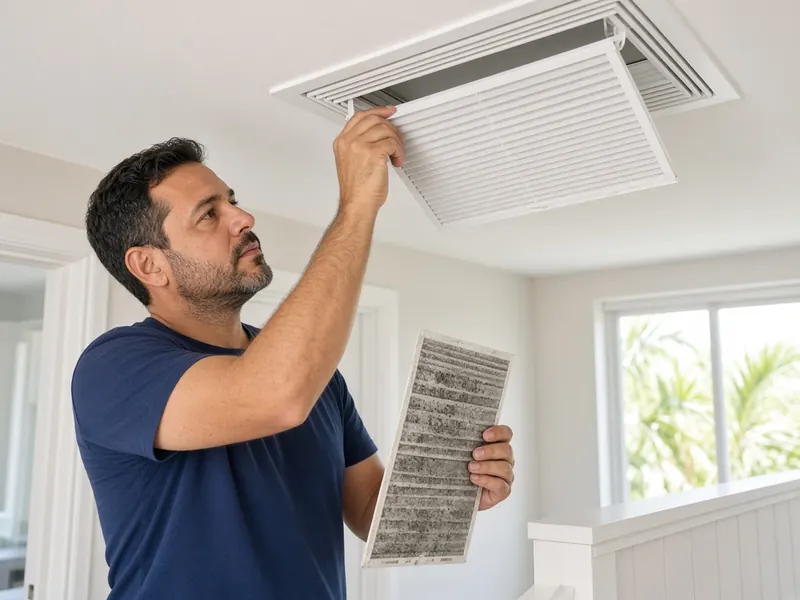
Airflow problems are behind many frozen coils, high bills and uneven rooms. A tune-up checks the filter, blower wheel, motor and accessible ductwork. Return grilles blocked by furniture or a filter that is too restrictive for the system can starve the coil of air.
Higher-MERV filters capture finer particles, but some systems are not designed for the added resistance. If you want better filtration, ask whether your return can handle it or whether a deeper media filter cabinet makes sense.
Many common breakdowns have warning signs that a tune-up can catch.
Measured below its rating, it can be replaced on schedule instead of failing on a hot afternoon.
Flushing a partly blocked line prevents float switch shutdowns and ceiling stains.
Fixing restricted airflow early prevents the freeze-thaw cycle that leads to leaks.
Readings that drift from one visit to the next can reveal a small leak while repair options are still simpler.
If a tune-up uncovers a fault that needs more than adjustment, it becomes a repair conversation. Our air conditioner repair page explains how those diagnostics work.
A maintenance program keeps visits on the calendar so the spring tune-up does not get pushed into July. Visit frequency, scheduling and member benefits are set by Ventis and explained in full before you enroll, so ask for the current terms when you call or schedule.
A few homeowner tasks help between visits:
Start the season with a clean filter of the size and type your system calls for.
Trim plants back and remove leaves and clippings from around the condenser.
Confirm water drips from the outdoor drain outlet while the system runs on a humid day.
Spring appointments leave time to address anything found before the hottest weeks.
If your system is older and the tune-up reveals major wear, our page on planning an AC replacement covers the next steps. Indoor unit concerns are covered under air handler service.
Related Services
When a tune-up finds a failed part or the system stops cooling.
Blower cleaning, coil care and drain pan repair for the indoor unit.
Filter, coil and blower wheel cleaning for wall-mounted indoor units.
Whole-home system performance, ductwork and humidity control.
Service Areas
Preventive maintenance visits are available throughout Marion County, from Silver Springs to Dunnellon, including communities such as:
FAQ
Maintenance is preventive. It happens on a schedule while the system is working and follows a checklist of cleaning, testing and adjustment. Repair is corrective. It starts with a symptom, such as warm air or a leak, and focuses on finding and fixing that specific failure. A tune-up can uncover parts that need repair.
Spring is the most practical time, before the long stretch of heavy cooling. ENERGY STAR suggests servicing cooling systems in spring because contractors get busy once summer arrives. If you use a heat pump for winter heating, a second visit in fall covers the heating side and keeps the system on a twice-yearly rhythm.
Visit length depends on the system type, how accessible the indoor unit is, how dirty the coils are and whether the drain needs extra attention. An attic air handler or a heavily soiled condenser takes longer than a closet unit with clean coils. Your technician can give you a better sense of timing after seeing the equipment.
It reduces the risk but cannot eliminate it. Tune-ups catch many common failures early, such as weak capacitors, slow drains and dirty coils. Parts can still fail without warning, especially after power surges or lightning. Maintenance is about improving reliability and efficiency, not guaranteeing that nothing will ever go wrong.
Check it monthly. ENERGY STAR recommends inspecting, cleaning or replacing filters every month during heavy use. Thin fiberglass filters may need replacement monthly, while deeper media filters can last longer. Pets, construction dust and long run times shorten filter life, so replace it whenever it looks gray or clogged.
You can safely remove leaves and clippings from around the unit and trim plants back. Gentle rinsing of the coil with a garden hose is possible after the power is turned off at the disconnect. Avoid pressure washers, which bend fins, and leave panel removal, electrical work and chemical cleaners to a technician.
A tune-up includes a check of refrigerant operating pressures and temperatures. A properly sealed system should not need routine refrigerant. If readings show the charge is low, that points to a leak, which becomes a separate repair conversation covering leak location and options. Topping off without addressing the leak is not a long-term fix.
Yes. A new system still collects dirt on its coils, sends water through its drain and has electrical parts that should be checked. Many equipment manufacturers also expect regular professional maintenance, so review your warranty paperwork. Starting a maintenance routine in the first year keeps a record of how the system performs over time.
Book spring maintenance before the busy season and ask about keeping your system on a regular schedule with the Ventis maintenance program.
(352) 230‑9545