
Spring AC Tune-Ups
Coil, drain and refrigerant checks before summer.
Heating Services
Your heat may run only a few weeks a year, which is why a fall check matters. We test the backup heat, defrost cycle and safety controls before the first cold front tests them for you.
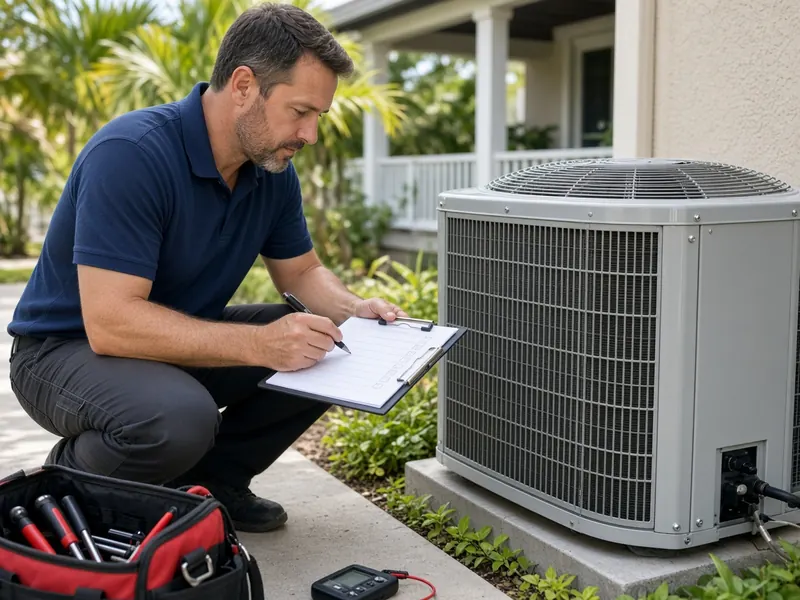
Ventis performs seasonal heating maintenance for heat pumps, electric furnaces and gas furnaces in Ocala and across Marion County. A fall visit focuses on the parts that only work in winter, so the first chilly night does not become a service call.
Spring maintenance prepares the cooling side of a system for summer. Fall maintenance is a different checklist: heat strips and their controls, the heat pump’s reversing valve and defrost operation, and, on gas equipment, the burners, ignition and venting. Many of those components sit unused for eight or nine months and can fail without warning when they are finally called on.
Light use is not the same as no wear. Relays and sequencers can corrode in a humid closet, dust collects on idle heat strips and burners, insects and debris settle in furnace vents, and thermostats lose settings after power outages. Because the heating season is short and often arrives with a sudden front, the first sign of trouble tends to be a cold house on a night when service schedules are busiest.
Maintenance also affects operating cost. Backup electric heat draws far more power than a heat pump compressor, so controls that bring the strips on too early or keep them on too long can raise a winter bill noticeably. Checking how the stages are controlled is one of the most useful parts of a fall visit.
Some warning signs show up during the last cold spell of one winter or the first cool evening of the next. Mention any of these when you book, because they tell the technician where to look first:
None of these means a major repair is coming, but each is cheaper to address in October than during a January cold snap.
Schedule heating maintenance in the fall, before nights turn cool. ENERGY STAR recommends a pre-season contractor check-up every year, with the cooling system checked in spring and the heating system in fall, and suggests tying the visits to the clock changes so they are easy to remember. In Ocala, October and November usually leave time before the first cold front.
Heat pumps run in both seasons here, so they gain the most from two visits a year, one for each mode. A homeowner guide from the Consortium for Energy Efficiency, published on a Department of Energy website, advises following the manufacturer’s recommended service interval, which for most heat pumps is every one to two years. Gas furnaces should have a combustion and venting inspection annually.
A heating tune-up tests each heat source under load, checks the safety and limit controls, inspects electrical connections and airflow and confirms the thermostat runs the equipment correctly. Gas furnaces add a combustion and venting inspection. The exact list depends on whether your home heats with a heat pump, electric strips, gas or a combination.
A heat pump heats by running its refrigeration cycle in reverse, so the fall check confirms that the reversing valve shifts cleanly into heating and that supply air warms as it should. The technician checks refrigerant performance in heating mode, inspects the outdoor coil for debris and bent fins and makes sure the unit sits level with room to drain melt water.
On cold, damp mornings frost builds on the outdoor coil, and the system briefly switches to cooling mode to melt it. The defrost board, sensor and timing are tested so that defrost starts when it should and ends cleanly. A failed defrost control can let the coil ice over, which cuts heating capacity and leaves the strips doing all the work.
Florida’s energy code expects the strips to stay off except while defrosting, when the compressor side has failed or when the heat pump alone falls short of the setpoint. We check that the thermostat and any outdoor temperature lockout are set to do exactly that.
Electric heat is simple but carries heavy current. Each element is checked for continuity and current draw, sequencers and relays are tested for proper staging, and limit switches and thermal fuses are inspected. Wire lugs and breakers are checked for discoloration or looseness, since a hot connection is often the first stage of a failure.
Dust that collects on idle elements over the summer causes the familiar burning smell on the first heating day. A clean filter and a quick inspection of the heater compartment keep that brief and confirm nothing else is burning.
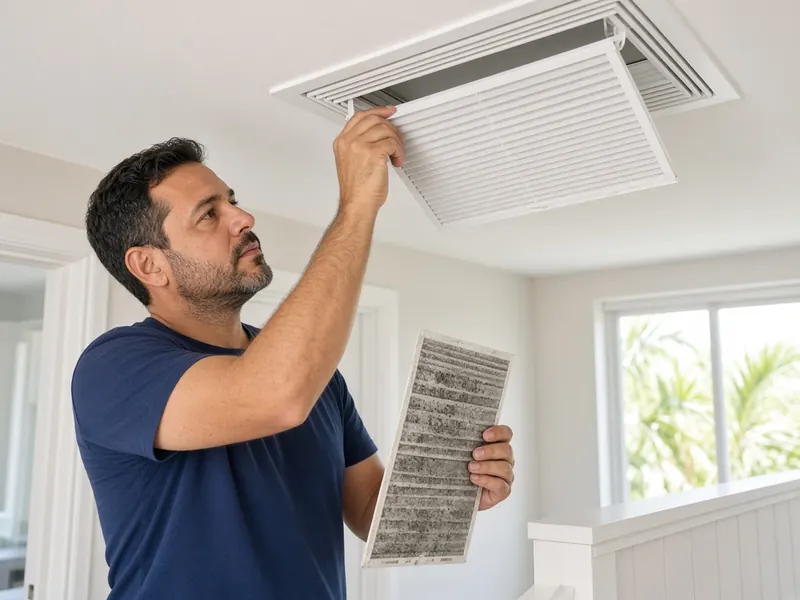
ENERGY STAR’s checklist calls for checking gas connections, gas pressure, burner combustion and the heat exchanger, noting that a dirty burner or cracked heat exchanger causes improper burner operation. The EPA also recommends having a trained professional inspect, clean and tune central heating systems, including furnaces, flues and chimneys, every year to reduce carbon monoxide risk.
On a gas furnace visit we inspect and clean the burners and flame sensor, test the igniter, inducer and pressure switch, inspect the venting for blockage, separation or corrosion and check the condensate drain on high-efficiency models. Accessible areas of the heat exchanger are inspected, and the area around the furnace is checked for combustion products.
Heating relies on airflow as much as cooling does. A restricted filter or dirty blower wheel raises the temperature inside the unit until safety limits shut it off. ENERGY STAR advises inspecting, cleaning or changing filters monthly, and we check the filter size, the blower and the return path during each visit.
Thermostats deserve a look too. After a summer of cooling, settings can drift or reset, and smart thermostats sometimes ship configured for a different equipment type. Confirming the heat pump, auxiliary and emergency heat settings prevents surprise bills. Spring cooling care is covered separately on our AC maintenance and tune-up page.
A maintenance program schedules both seasonal visits automatically, so the fall heating check happens even in a busy year. It also keeps a record of your system’s readings, which makes changes from one season to the next easier to spot.
Program terms, pricing and benefits are set by Ventis and explained before you sign up, so ask for the current details when you call.
Replace it when it looks gray or clogged, and more often with pets or construction dust.
Trim plants and rake leaves away so air can flow and defrost water can drain.
Closing many vents raises duct pressure and can trip high-limit switches.
If the thermostat shows auxiliary heat for long stretches on mild days, schedule a check.
Homes with gas appliances, fireplaces or attached garages should have working carbon monoxide alarms.
If your fall check turns up a failing part, our heating repair page explains how those problems are diagnosed and fixed.
Related Services
Coil, drain and refrigerant checks before summer.
When a tune-up finds a defrost or valve problem.
Fixes for strips, furnaces and controls.
An overview of heating options for Ocala homes.
Service Areas
We perform heating maintenance in Ocala, Summerfield, Belleview and nearby communities such as:
FAQ
Yes. Spring visits focus on coils, refrigerant charge and drains for cooling. Fall visits test the heating side: the reversing valve and defrost controls on heat pumps, heat strips and their staging, and burners, ignition and venting on gas furnaces. Some items such as filters, electrical connections and blowers are checked in both seasons.
It does. Heat pumps run in both seasons here, and heating mode relies on parts that cooling never uses, including the reversing valve, defrost board and backup heat controls. A fall check confirms they work and that the strips are not running more than they should, which is where most heat pump winter bill surprises come from.
It can when the visit finds strips running too often, a defrost control stuck on, a dirty outdoor coil or a thermostat set up incorrectly. Those are common reasons for high winter usage. Bills also depend on weather and thermostat habits, so we explain what we adjusted rather than promising a specific savings figure.
You cannot see or smell carbon monoxide, so a working CO alarm is the only reliable warning at home. Headaches, dizziness or nausea that ease when you leave the house are warning signs. An annual furnace inspection checks venting and burner operation, and if an alarm sounds, get outside and call 911.
Clear a path to the indoor unit and the outdoor unit, note any symptoms such as odd noises, smells or long aux heat runs, and have your thermostat model handy if you know it. If you change filters yourself, mention the size and how often you replace them. That context helps make the visit thorough.
A short whoosh or hiss when the heat pump starts or ends a defrost cycle is the reversing valve shifting refrigerant flow, and it is normal. Loud banging, grinding or a sound that repeats every few minutes is not. Those noises should be checked during maintenance or sooner if heating performance drops.
Usually, yes, especially with a heat pump or electric heat. Replace the filter first and watch for warning signs: a burning smell that does not fade, a tripping breaker, ice that stays on the outdoor coil or, with gas equipment, a CO alarm or exhaust odor. If any of those appear, turn the system off and call.
A healthy gas burner flame is mostly blue. A yellow, lazy or flickering flame can mean dirty burners, a combustion air problem or improper gas pressure, all of which can lead to incomplete combustion and more carbon monoxide. Turn the furnace off and have it inspected; cleaning and adjustment are part of a fall gas furnace visit.
Yes. A packaged unit puts the heating section in the same outdoor cabinet as the compressor, whether it heats with a heat pump, strips or gas burners. The fall visit checks that section along with the cabinet seals, duct connections and, on gas packs, the burner, venting and flue outlet exposed to weather.
Get backup heat, defrost and safety controls tested before the first cold front, and ask about adding a spring cooling visit through the Ventis maintenance program.
(352) 230‑9545