
Central Air Systems
Equipment choices for frame and block homes alike.
55+ Community Service
Marion Landing was built over about 24 years, and the builders changed construction methods along the way. Whether your home is frame or block shapes how it heats, cools and holds moisture.
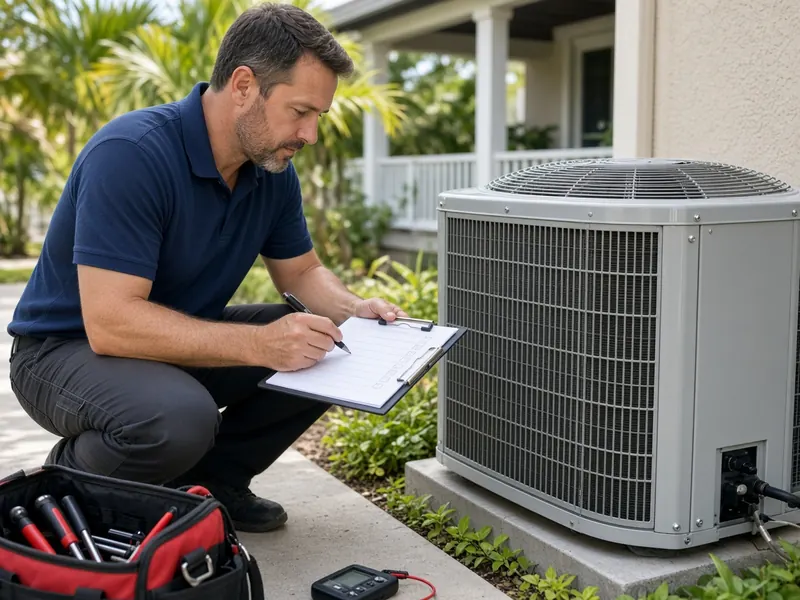
Ventis handles air conditioning and heating repair, maintenance and replacement for homes in Marion Landing, the 55+ community near State Road 200 and Interstate 75 in Ocala.
Marion Landing has about 600 single-family homes built between 1980 and 2004. Homes run from roughly 860 to 2,400 square feet, usually with two or three bedrooms, two baths and an attached two-car garage. The community is not gated, and its Lifestyle Center clubhouse includes an eight-lane bowling alley. There is also a stocked fishing pond and RV parking. The homeowners association fee covers water and sewer service along with common areas and trash.
Marion Landing is unusual in that its construction changed over time. According to community information, some homes were built with wood frame and vinyl siding, while later homes used concrete block with stucco. The difference affects your heating and cooling in a few ways.
When we size a replacement for either type, the construction is part of the load calculation. Two Marion Landing homes with the same floor area can need different equipment.
It depends on when the house was built and when the system was last replaced. A home from the early 1980s may be on its third system, while a home from 2004 may still be on its first or second. Check the data label on the outdoor unit: it lists the manufacture date and refrigerant. If it says R-22, the outdoor unit was almost certainly made before 2010 and it is time to plan for replacement.
For homes ready for new equipment, our AC installation page covers sizing and options, and our central air conditioning page explains system types. For heating, see heat pump installation.
Marion Landing’s Lifestyle Center, with its eight-lane bowling alley, and the stocked fishing pond keep many residents out of the house for part of the day. That is a good time to let the house warm a few degrees, but large setbacks can backfire in block homes, which store heat and then take hours to cool back down. In frame homes, which warm and cool faster, a moderate setback while you are out usually works well. A programmable or smart thermostat can bring the temperature back before you return.
Because water and sewer are covered by the HOA fee here, a condensate problem does not usually show up on a water bill. What it does show up as is water on the floor near the air handler, a musty smell or a system that shuts off because a float switch tripped. Flushing the drain line during spring AC maintenance helps prevent all three.
Services
Equipment choices for frame and block homes alike.
Drain flushing, coil cleaning and electrical checks.
Outdoor unit, defrost and reversing valve diagnosis.
Sizing built around your home’s construction.
Service Areas
Between SR 200 and I-75, our other service communities include:
FAQ
Yes. We repair, maintain and replace heating and cooling systems in homes throughout Marion Landing near SR 200 and I-75. The community is not gated, so we simply need your address, a description of the problem and a time that works.
Look at the exterior. Vinyl siding usually means wood frame construction, while a smooth or textured stucco finish usually covers concrete block. Your property records or closing documents may also say. If you are not sure, the technician can tell during the visit.
Not necessarily. A frame home gains heat faster, but insulation, windows, air sealing and attic conditions often matter more. Some frame homes need less capacity than a poorly insulated block home. A load calculation for your house settles the question.
Turn the system off at the thermostat and wipe up the water. The usual causes are a clogged condensate drain, a cracked pan or a frozen coil that is now thawing. Call for service so we can clear the drain, check the pan and find out why it backed up.
It shows when the unit was made, which is close to when it was installed. Combined with the refrigerant type listed on the same label, it tells us roughly how old the system is and whether parts and refrigerant are still easy to get.
Often, yes. Sealing duct leaks, adding attic insulation, adjusting airflow and making sure the system is properly charged can make a noticeable difference. We look at those items first when a system is in good condition.
Yes. A heat pump can replace a cooling-only system with electric strips and lower winter heating costs on most days. We confirm that the ductwork and electrical panel can support it before recommending a model.
Twice a year is ideal: a spring cooling visit and a fall heating check. Regular visits keep drains clear, catch failing capacitors and show you how the system is aging so a replacement does not come as a surprise.
A moderate setback of a few degrees is usually fine, especially in frame homes that cool back down quickly. In block homes, large setbacks can leave the walls holding heat that takes hours to remove. A programmable thermostat that starts cooling before you return keeps comfort and savings in balance.
Let us know whether your home is frame or block and what the system is doing. We will diagnose the problem and explain the options before we start.
(352) 230‑9545